
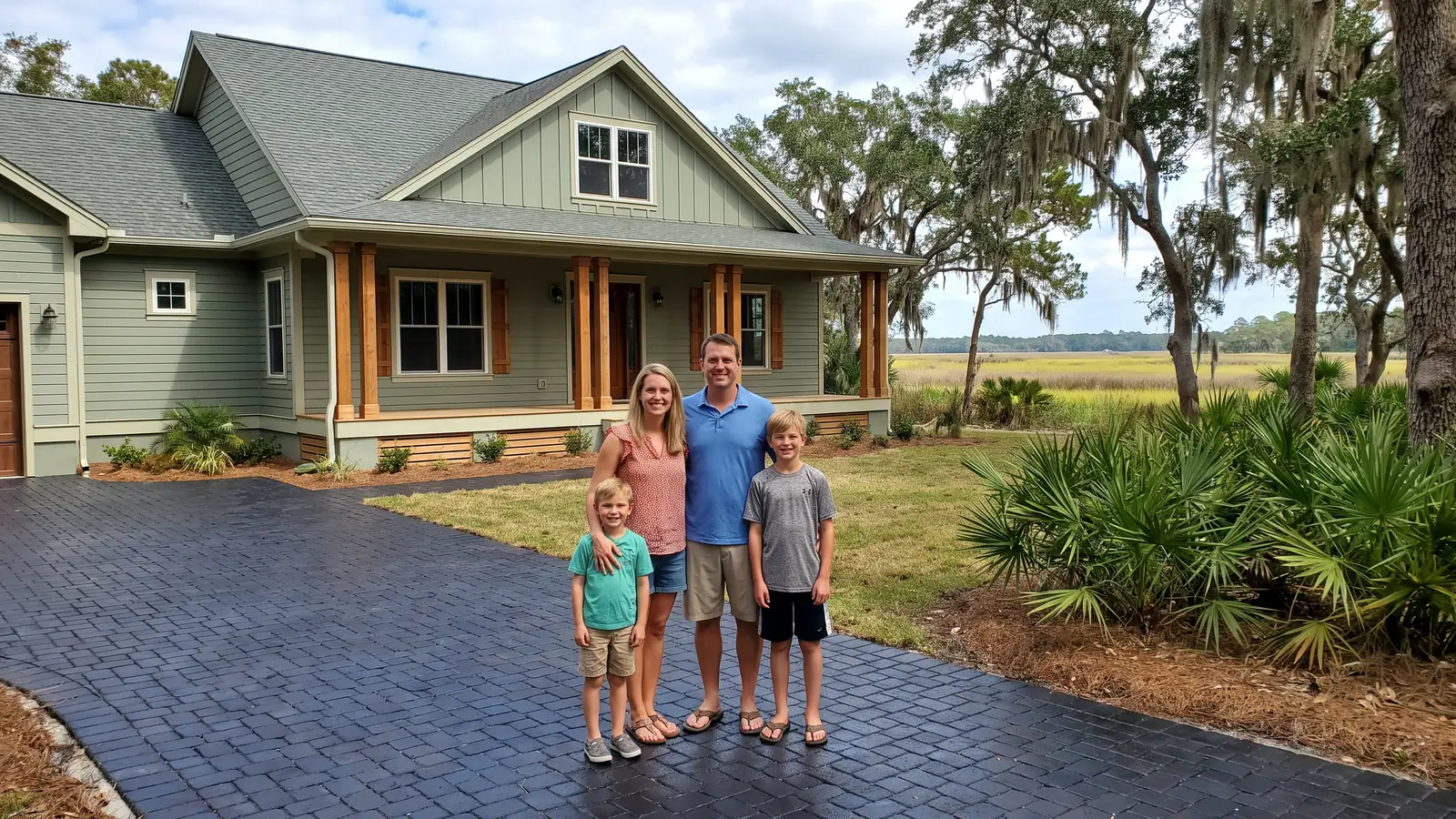
Paver sealing for St. Marys homes
Paver Sealing in St. Marys, GA
River water and wet ground test St. Marys pavers, and (904) 479-0914 is the line for a free sealing estimate.
- Brings out deeper paver color
- Fresh joint sand helps lock pavers in place
- Gives weeds less room to grow
- Makes the surface easier to keep clean
- Free estimate, no obligation
Request a Free Estimate
Free, no obligation.
Fast, careful paver sealing in St. Marys
Homeowners in St. Marys, Georgia, can book paver sealing with a free estimate, and the reply comes inside 1 business day, usually much sooner. Cleaning, re-sanding and sealing of driveways, walkways and pool decks is handled by a local contractor on both sides of Osborne Street, from the historic waterfront to the golf communities. To ask about your pavers, call (904) 479-0914.
Say the driveway has faded to a tired gray and the joints are thin. Or say the pool deck has gone green along the shaded edge. A wash, fresh sand and a new coat bring either one back to a clean, even color, so get a free estimate and describe yours.
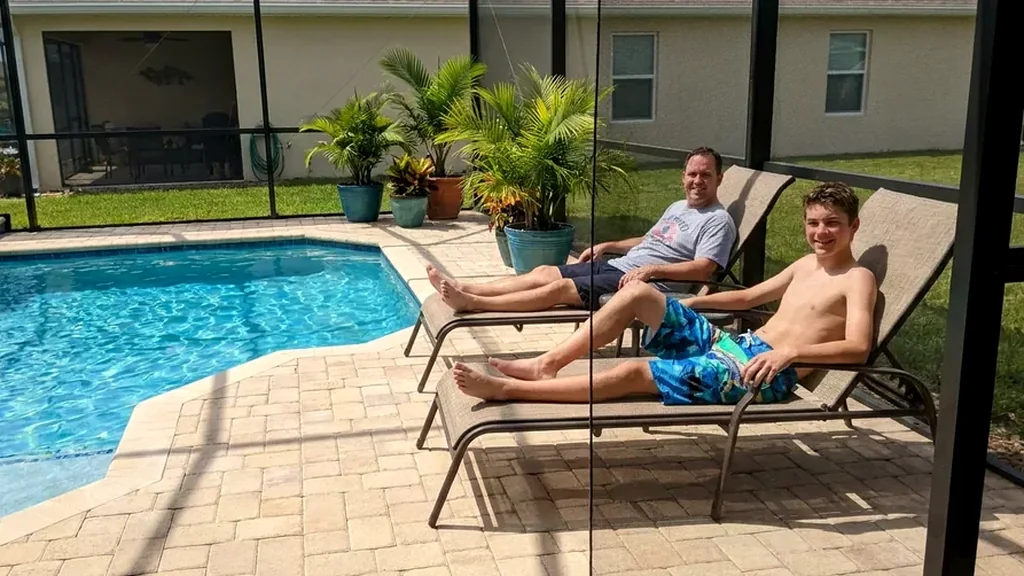
Why hire a local paver sealing contractor in St. Marys?
Camden County homeowners choose a local paver contractor because river water, wet ground and a mix of old and brand-new neighborhoods all change what a job needs. To hear how that fits your street, get a free estimate.
Measuring is free
Your St. Marys contractor measures at no charge and names a price first. Nothing is agreed until you say so.
A price range to check
Jacksonville-area companies list $1.75 to $3.25 per square foot to clean, sand and seal. Hold your bid up against it.
New pavers handled right
A Jacksonville-area company advises waiting 30 to 60 days after pavers go in before the first coat. Ask when yours were laid.
No pressure, no obligation
You pick the finish and the date, and you can walk away after the estimate, with no hard feelings.
Get Your Free Estimate in St. Marys
Tell us about your pavers in St. Marys.
Free, no obligation
What paver problems show up most in St. Marys?
Water that reaches the driveway
During Hurricane Ian in September 2022, St. Marys Street beside the river flooded, and river water came up to the driveway and garage of one home. In 2017, Hurricane Irma flooded the St. Marys River, and some neighborhoods stayed underwater for weeks. Pavers that sit in river water hold silt and film, and the film shows up as a dull, uneven color. A coat applied now would trap all of it, so washing comes first. Mention it if river water has ever reached your drive, since that changes the wash. Fire crews set water-filled tubes and sandbags around waterfront properties that day, a sign of how seriously the river is taken here.
Wet ground that stays wet
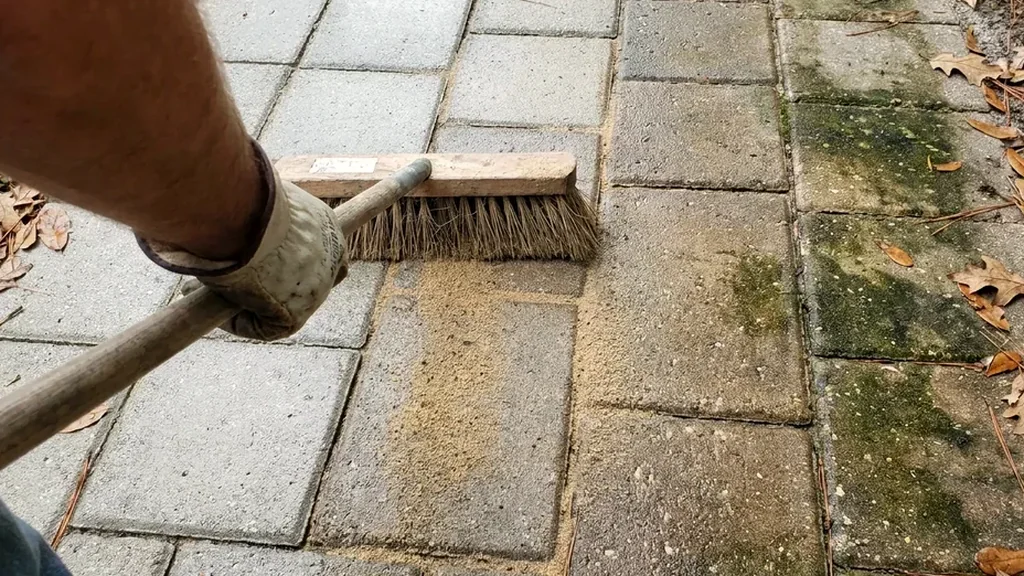
The USDA Sapelo series is a fine sand on coastal flats, established in Camden County in 1976. It is somewhat poorly to poorly drained, with a seasonal high water table 0 to 18 inches down, typically from November through April. That is a county-level description, but it hints at ground that holds water. Pavers that stay damp grow a green film. Moss and algae normally grow on pavers only where shade is heavy, so a low, shaded corner is the first place to check. Sealer needs a dry surface, which means those spots decide the schedule. July highs average 91 degrees, so an open drive bakes while a shaded one stays damp. That split decides where the green shows up first.
Joint sand lost in summer rain
St. Marys gets about 48.93 inches of rain a year, and September is the wettest month at 6.91 inches. A Jacksonville-area company says summer downpours flush sand out of unsealed joints. Open joints let soil in and weeds follow, so the sand is replaced before any coat goes on. If your joints look thin after a wet summer, that is the reason, and it is a normal fix rather than a sign of a failed driveway. September's 6.91 inches is the monthly peak, so late summer jobs are the ones most likely to move.
Efflorescence on new pavers
Cumberland Harbour and Winding River had new homes built in 2026 on the market in November. A Jacksonville-area company says to wait 30 to 60 days after pavers are installed before sealing, so efflorescence can work out. A landscape trade article calls that white deposit common in the first or second season, and says it fades with normal weathering. If your pavers are new, ask the installer when they went in, because the date decides when the first coat can go on. A short wait now avoids a cloudy finish later. Brand-new drives are common here, and each one has a first coat to plan.
Milky or flaking old sealer
A Jacksonville-area paver sealing company says milky, white or flaking sealer usually means trapped moisture or too many coats. The failed sealer is stripped before resealing. If your older St. Marys pavers look cloudy, mention it at the estimate, since stripping adds time and cost. Sealing over a failed coat would only add to the problem, which means the old layer has to go first. A contractor can usually tell at the first visit.
Does the historic district need a different plan than Osprey Cove?
Yes, because the two areas were built in different centuries. The St. Marys Historic District covers 230 acres and was listed on the National Register of Historic Places on May 13, 1976. It holds buildings from the late 1700s to the early 1900s, including First Presbyterian Church from about 1808. Tell the contractor if you live inside it when you get a free estimate.
Osprey Cove is a gated community with a Mark McCumber golf course and the River Club, which has a private boat ramp on the St. Marys River. In 2005 builders started The Reserve, with most homesites over half an acre, and Clearlake, a 34-home neighborhood around a lake. Larger lots mean larger drives, and a long drive takes more sand and sealer. Call (904) 479-0914 and give a rough size.
New construction is moving the other way. In November 2026, homes built that year were listed in Cumberland Harbour and Winding River, and the typical new home had 2,323 square feet. Bigger driveways on bigger houses mean more area to price, so get a free estimate. A Cumberland Harbour or Winding River driveway is a first-coat job, so the wait period matters more there than a wash does.
What does paver sealing cost in St. Marys?
In the Jacksonville area, the going rate is $1.75 to $3.25 for each square foot cleaned, sanded and sealed. A St. Marys job lands inside that range depending on shade growth, lost sand and what already coats the surface. A long drive on a half-acre lot adds up quickly, even at one rate. For a number on your pavers, get a free estimate.
Age counts as much as acreage. Old sealer that has failed has to come off first, and a Jacksonville page lists that work above the base price. A first coat on new pavers is simpler, though it has to wait out the cure period. Call (904) 479-0914 and tell the contractor the year your pavers went in.
| Paved area | Typical example | Clean, sand and seal |
|---|---|---|
| 300 sq ft | Small patio or walkway | $525 to $975 |
| 600 sq ft | Two car driveway | $1,050 to $1,950 |
| 1,000 sq ft | Large driveway or pool deck | $1,750 to $3,250 |
| 1,500 sq ft | Driveway plus pool deck | $2,625 to $4,875 |
Math based on the $1.75 to $3.25 per square foot that Northeast Florida paver companies published as of November 2026. Your contractor sets the actual price after seeing the surface. Repairs, leveling and stripping failed sealer are usually extra.
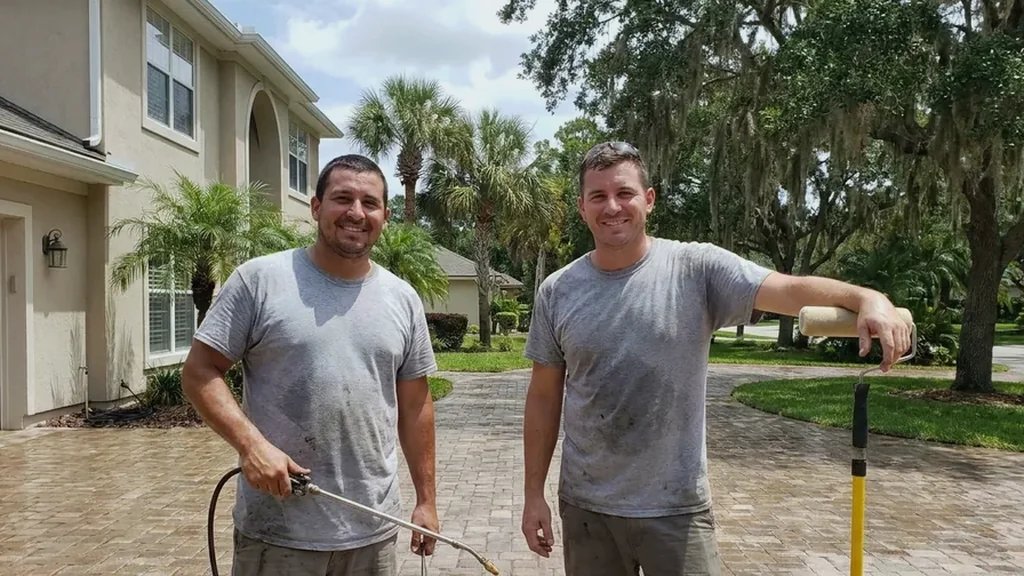
How does a paver sealing job work in St. Marys?
Inspect the pavers and learn their age
The contractor first asks when the pavers went in. Brand-new ones may have to cure 30 to 60 days. Older ones may carry a coat that needs identifying or stripping, and any sunken section is reset, since sealing over a dip only preserves it. A look at drainage near the street and shade near the garage rounds out the first visit. Ask the installer for the date the pavers went in, and mention any HOA rules on finish.
Clear off silt and green film
Washing takes off river silt, algae and everyday grime. Oil and rust spots get a pretreatment, though some deep marks may not lift completely. Flower beds and lawn edges are kept clear of rinse water where possible.
Replace what the water carried off
Cleaning and rain both take joint sand with them, so the contractor refills every joint and sweeps the surface. Full joints keep soil out and keep weeds from starting.
Hold off until fully dry
A Jacksonville-area page puts the wait at typically 24 to 48 hours after cleaning. Wet ground near the river can stretch that out. Damp pavers sealed too soon can turn milky, so a careful contractor checks by hand. St. Marys has a humid subtropical climate, so the air itself slows drying on cloudy days.
Seal and stay off
Sealer goes on by spray and roller. A Jacksonville-area company says feet can return within hours, while cars wait about a day. Get the product name for your records.
Complete paver services in St. Marys
A St. Marys job moves through four steps: wash, re-sand, dry, seal. The wash clears silt and green film, and fresh sand goes into the joints. Sealer waits until the end, so nothing dirty gets trapped. To ask what each step would take at your address, call (904) 479-0914.
Driveways in Osprey Cove can be long, and walkways near the river stay damp. Pool decks get chlorine and sun, and courtyards in the historic district sit beside old brick. Each wears differently, so tell the contractor which surfaces you have when you get a free estimate. A short list of what needs sealing makes the quote faster.
Sealer is water-based or solvent-based, and the finish is matte or wet look. Wet looks show scuffs faster than matte, which matters on a driveway that sees daily tires. Water-based sealer cannot go over solvent-based sealer, so the old coat decides first. Call (904) 479-0914 to talk through your options.
Camden County rain peaks in late summer, with September the wettest month, so a sealing date can move. The surface has to be dry, and ground near the river may stay damp longer. Ask for a window with a dry forecast. To pick one, get a free estimate.
Questions to ask before you hire
- Can you send proof of insurance before the day of the job?
- What happens if rain comes the afternoon after the job?
- How do you measure my pavers so the final price matches the quote?
- What keeps the cleaner and sealer off my grass and flower beds?
- Which finish will you use on my pavers: matte, natural or wet look?
- How do you work around my sprinkler heads and landscape lighting?
- How soon will my pavers need sealing again?
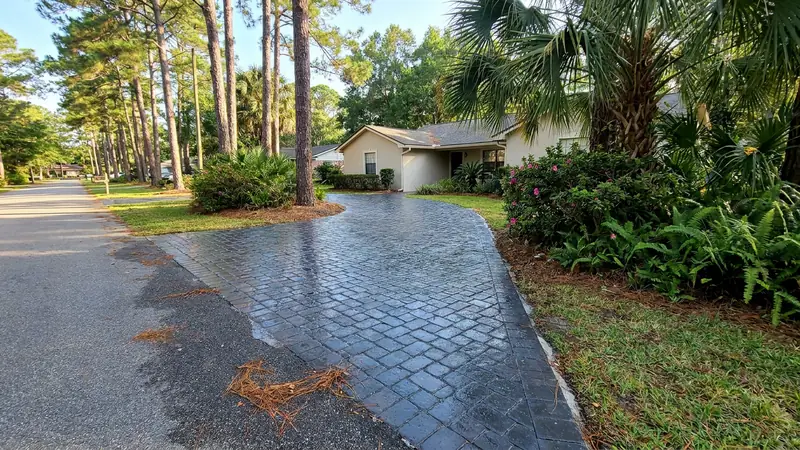
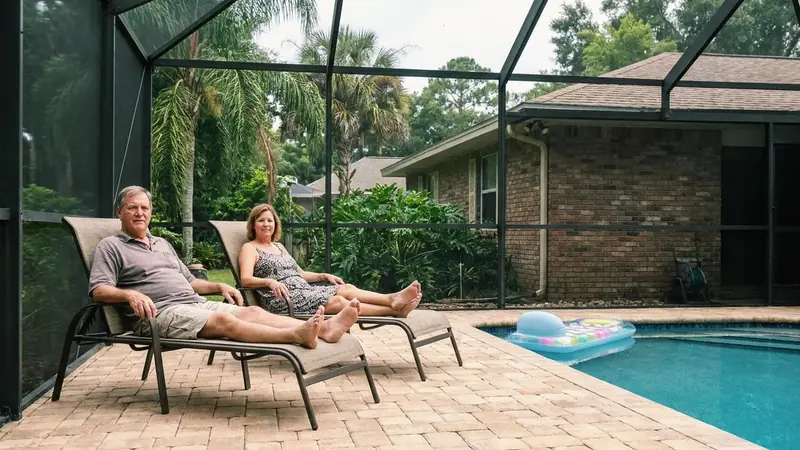
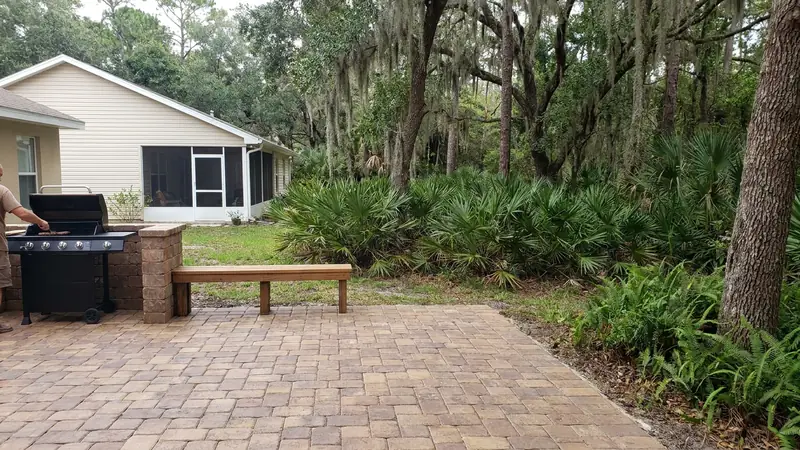
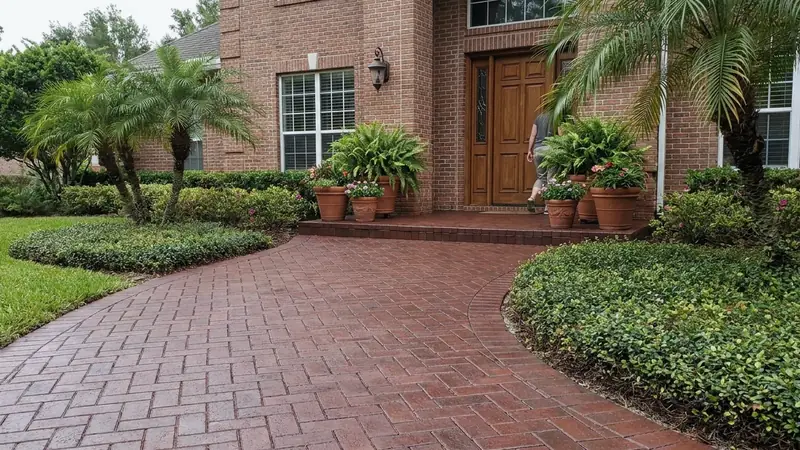
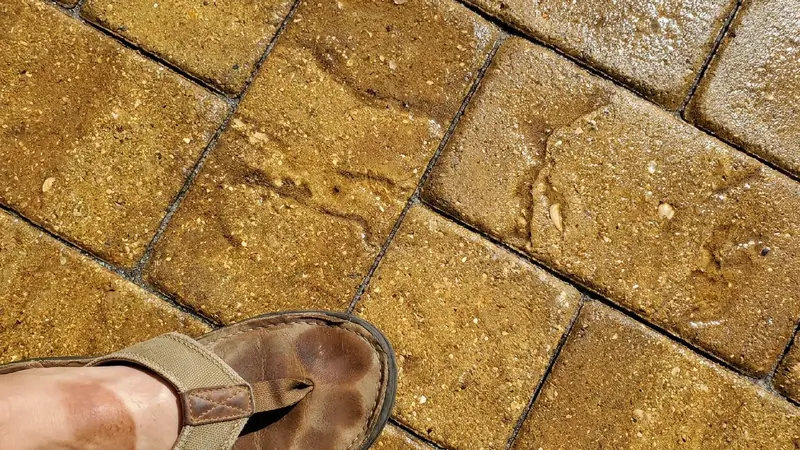
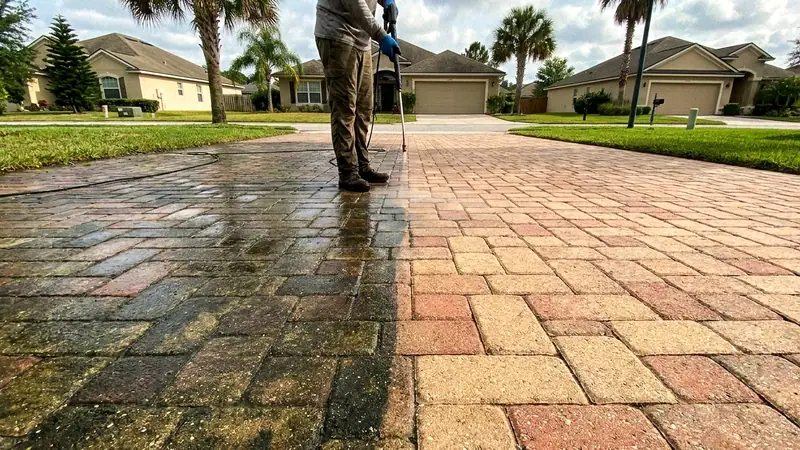
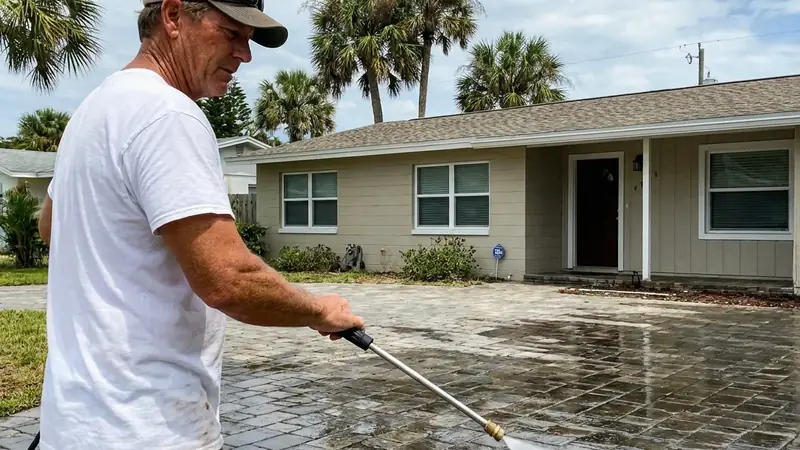
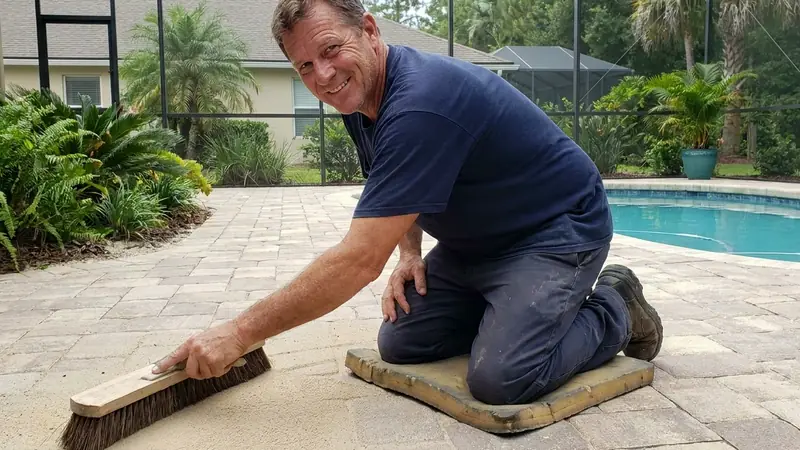
What do sealed pavers look like around St. Marys?
Why local matters in St. Marys
A contractor who knows St. Marys knows the river sets the weather on the waterfront streets. Water came up to a driveway and garage during Ian in 2022, and the fire department set water-filled tubes and sandbags around waterfront properties. A local contractor asks about that history first. Call (904) 479-0914 to reach one.
Knowing the area also means knowing the mix of old and new. The historic district dates to 1787, while Cumberland Harbour and Winding River are building now. A local contractor asks how old your pavers are, since that decides whether to wait, strip or just wash. You can get a free estimate and share the year.
Naval Submarine Base Kings Bay is the biggest employer in St. Marys, and Georgia State Route 40 links the city to Interstate 95 at Kingsland. A local contractor plans trips around that route and gives you a clear arrival window. Ask about timing when you get a free estimate, and mention any days that do not work. Annual events here include Mardi Gras, an Independence Day festival, a seafood festival and the Music in the Park series.
Does it help to hire someone who knows the St. Marys waterfront?
Yes, because most directions here start at the river. Camden County residents signed a charter for a town on the St. Marys on November 20, 1787, and Oak Grove Cemetery was laid out that year. The Cumberland Island ferry dock and the National Park Service visitor center are on St. Marys Street. If you live near the waterfront, get a free estimate.
Crooked River State Park covers 500 acres near St. Marys, and Naval Submarine Base Kings Bay lies next to the city on about 16,000 acres. Orange Hall, a Greek Revival frame house at 311 Osborne Street, was restored from 1978 to 1980. If you live by the waterfront, Orange Hall or the state park, call (904) 479-0914 and name your street. Mardi Gras events, an Independence Day Festival and the St. Marys Seafood Festival fill the city calendar.
Frequently Asked Questions
What sealer should go on pavers in St. Marys, Georgia?
The right sealer depends on the finish you want and on what already coats the pavers. Sealers come as water-based or solvent-based, and a water-based product will not bond over a solvent-based one. Before work starts, ask which product and finish will go on. A wet look shows scuffs sooner, and matte keeps the natural color, so pick the one that suits your daily traffic. A trade supplier says film-forming acrylics sit on the surface and stabilize joint sand, while silane or siloxane products soak in and leave the look unchanged.
How often do you need to reseal pavers in St. Marys?
Companies commonly quote two to five years between coats, so mark your calendar when the coat goes on. Full sun and heavy traffic point toward the short end. Water that beads on the surface means the coat still works, and water that soaks in and darkens the paver means it is spent.
What does sealing pavers cost in St. Marys, Georgia?
A job here is typically priced between $1.75 and $3.25 per square foot, cleaned, sanded and sealed, going by what Jacksonville-area companies commonly publish. Shade growth, lost sand and failed old sealer push a job higher. Check that the quote shows the total area.
Can pavers be cleaned, re-sanded and sealed in one visit in St. Marys?
Often the work spans more than one stage. Washing comes first, new sand follows, then a dry wait of about 24 to 48 hours, and the sealer goes on last. That order is why it is rarely a one-hour job. A Jacksonville-area company describes its process as two days to clean and seal, plus about a day to dry. Your contractor can explain how the stages would be split on your lot.
How long should I wait to seal new pavers in St. Marys?
A Jacksonville-area company advises 30 to 60 days after installation, so efflorescence can work out, and says to seal after the joints are re-sanded. Ask your installer when the pavers were laid, and share that date at the estimate. Sealing too early can trap moisture, which is why the wait matters. If the joints are not yet re-sanded, that comes first.
Can new sealer cover an older coat on my St. Marys pavers?
Not always. A water-based coat cannot go over a solvent-based one, and milky or flaking sealer is stripped before resealing. The old product has to be identified before any new coat is chosen. A receipt or product name from the last owner helps.
Does St. Marys' humid climate change how pavers are sealed?
It affects timing more than method. St. Marys has a humid subtropical climate with long, hot summers, about 48.93 inches of rain a year and an average July high of 91 degrees. Sealer needs a dry surface, so the contractor books around wet spells and checks shaded spots by hand.
How soon after a storm can pavers be sealed in St. Marys?
Once they are clean and fully dry. After river flooding like Ian in 2022, the contractor washes away silt and replaces lost joint sand first. Ask the contractor to check the low side of the drive, where sand loss tends to show. Sealer needs a dry surface, so shaded or low spots may need extra time and a hand check. A contractor will check them by hand before the first pass.
Ready for a Free Estimate in St. Marys?
Call (904) 479-0914 and tell us about your pavers.
Free, no obligation