
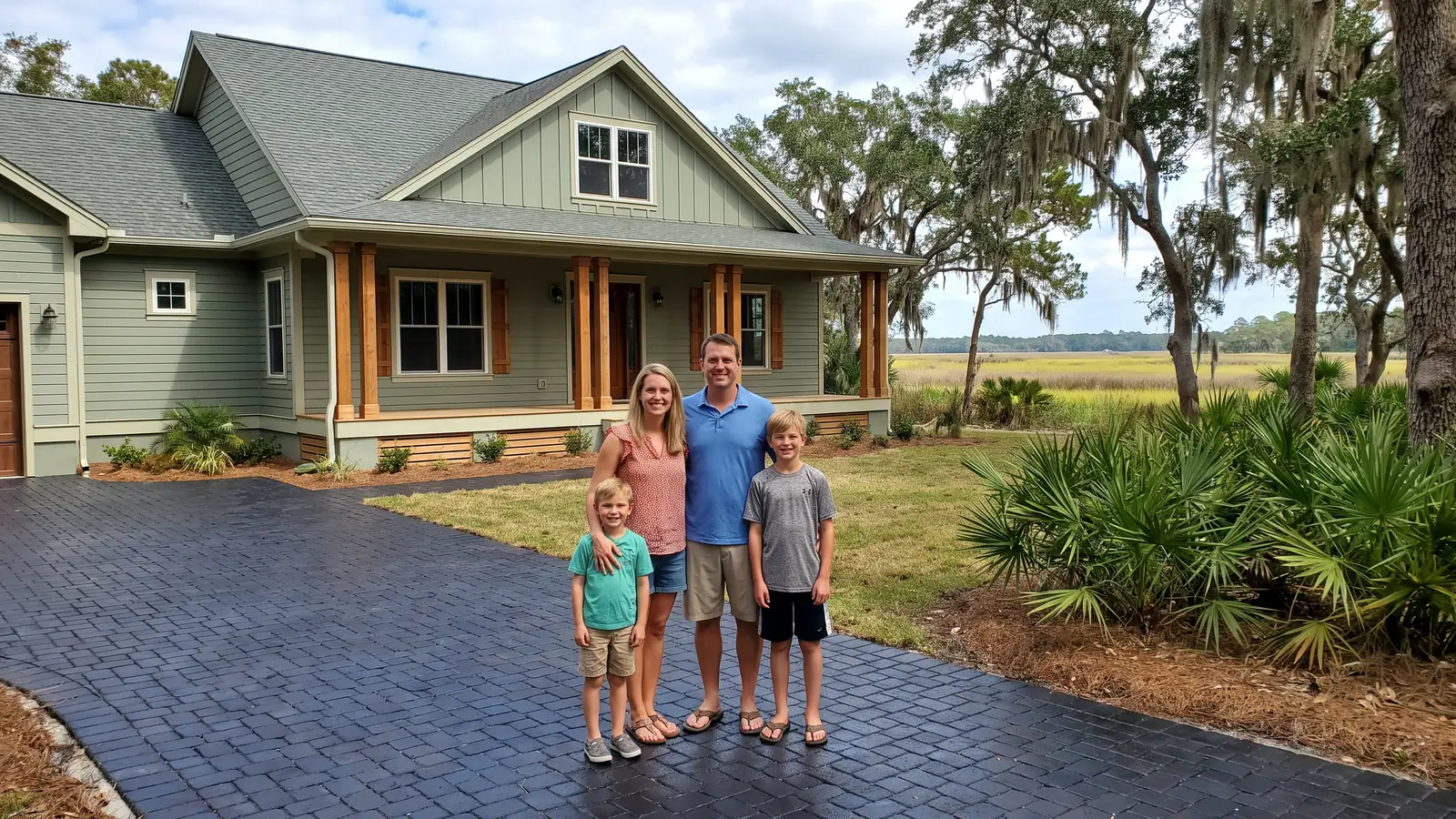
Paver sealing for Cedar Hills homes
Paver Sealing in Cedar Hills, FL
Gray, weedy pavers on a Cedar Hills ranch can look new again; call (904) 479-0914 for a free estimate.
- Brings out deeper paver color
- Fresh joint sand helps lock pavers in place
- Gives weeds less room to grow
- Makes the surface easier to keep clean
- Free estimate, no obligation
Request a Free Estimate
Free, no obligation.
Fast, careful paver sealing in Cedar Hills
Paver sealing is available across Cedar Hills, from the 1950s ranch streets to the rebuilt homes near the Cedar River. A local contractor washes, re-sands and seals driveways, walks and patios here, and the first estimate is free. Send a request with get a free estimate and expect an answer inside 1 business day, often far sooner.
Picture the walk to your front door with a gray film on it and a weed in every joint. After a wash, fresh joint sand and a new coat, that same walk goes back to one clean, even color. Want to talk first? Call (904) 479-0914 and describe the driveway, the back patio or the pool deck.
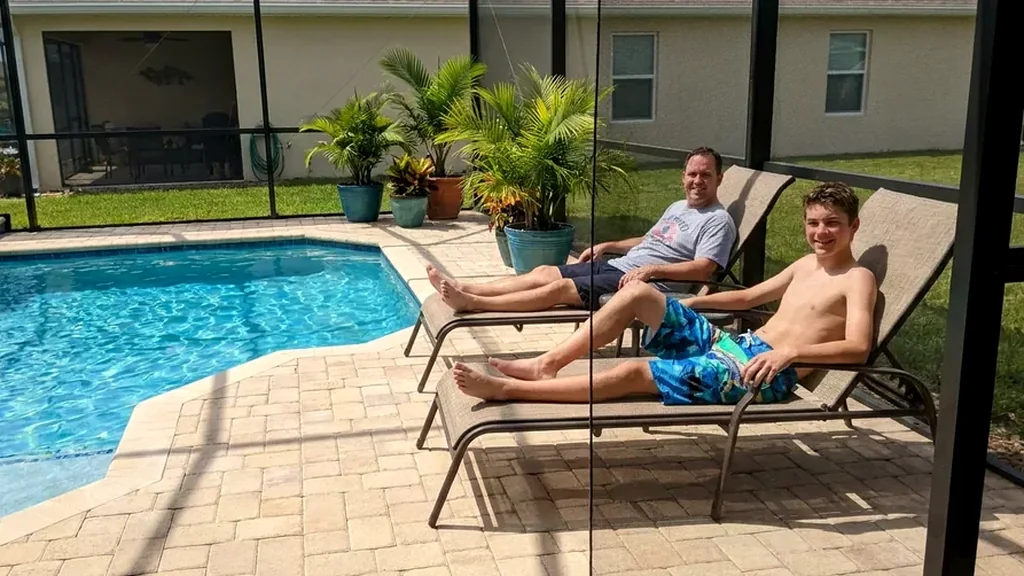
Why hire a local paver sealing contractor in Cedar Hills?
Homes in Cedar Hills were built between 1955 and 1971, so the pavers on your lot may have been laid by an owner you never met. A local contractor will ask what is already on yours, and you can get a free estimate to start that talk.
A free look at your lot
The contractor measures your Cedar Hills pavers and gives you a price before anything is scheduled. The estimate is free and carries no obligation.
A range to check against
Published rates across Northeast Florida land between $1.75 and $3.25 per square foot for a clean, sand and seal. Hold any Cedar Hills bid up to that range.
Matte or wet look
Matte keeps pavers beside a brick ranch looking natural. A wet look deepens the color but shows scuffs sooner, so choose with your driveway in mind.
You make the call
You pick the date, the finish and whether to go ahead at all. Nothing about a Cedar Hills estimate locks you in.
Get Your Free Estimate in Cedar Hills
Tell us about your pavers in Cedar Hills.
Free, no obligation
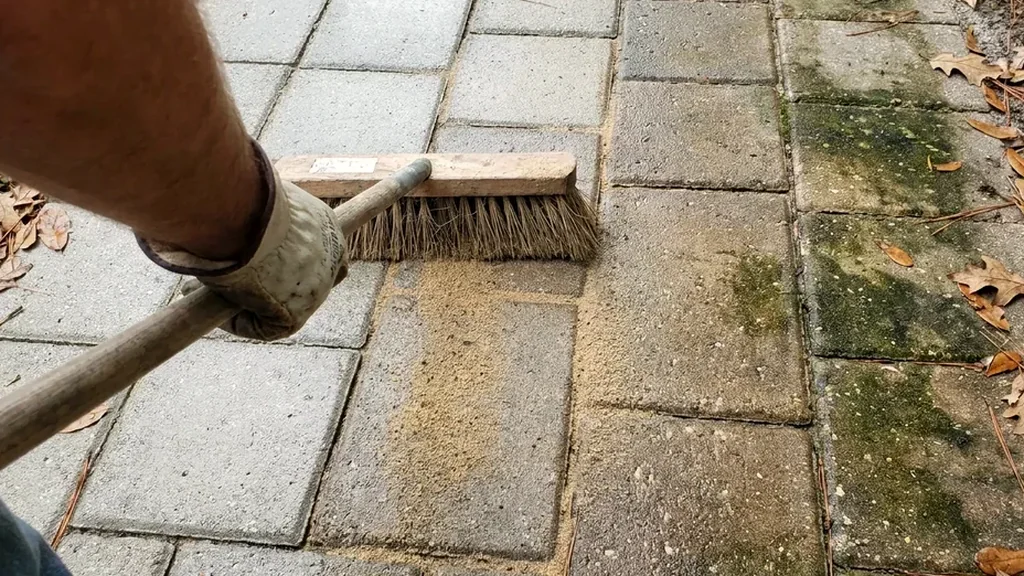
What paver problems show up most in Cedar Hills?
Ditch water along low edges
In 2017 News4JAX reported that a blocked storm drain and ditch in Cedar Hills sent water onto neighboring lots and opened a hole over five feet deep. The streets were laid out with drainage ditches and canals. Water that keeps reaching a paver edge can wash out the sand under it, so a dip often starts at the border. Sealer would preserve that dip, which means the repair comes first. Ask the contractor to look at the edge nearest the street or ditch first. Neighbors on one street can share the same wet corner, so ask them what they have seen.
Pavers from an earlier owner
Cedar Hills Estates homes were built between 1955 and 1971, and 80 of them closed in the year ending October 2026. Pavers on a lot like that were often laid by someone other than you. Nobody may have written down what sealer, if any, went on. Water-based sealer cannot go over solvent-based, so the contractor has to find out first. If it turns out a coat is already on, expect the contractor to test a small patch and tell you what was found.
Sand that drains away
USDA describes the Ortega soil series, first mapped in Duval County, as fine sand more than 80 inches deep that drains fast. Add Jacksonville's hard summer storms, and joint sand leaves with the runoff. Joints that widen let soil in and give weeds a start. A sealer holds the refilled sand in place, which means fewer weeds next summer. Pool decks lose sand too, since splash and storm water both pull on the joints.
Fade where the sun sits all day
Summer highs in Jacksonville stay near 91 degrees. A Jacksonville paver company says unsealed concrete pavers fade noticeably within 3 to 5 years. Full-sun driveways in the Cedar Hills area tend to show it first, along with tire marks in the drive lanes. Expect a wet look finish to show those lanes sooner than matte. A walkway under a tree will fade less but may go green instead. With attached garages, cars pull onto the same strip of pavers every day.
New pavers beside a rebuilt house
Many homes along the Cedar River shore have been greatly expanded or replaced with larger ones. A new house often means a new paver driveway or pool deck. New pavers should sit 30 to 60 days before a first coat, according to one Jacksonville paver company. Sealing too soon can trap moisture and leave a cloudy white film. A few weeks of patience at the start saves a redo later.
Do older Cedar Hills ranches and rebuilt river homes need different sealing plans?
Often they do, because the two kinds of lot carry different pavers. Metro Jacksonville describes Cedar Hills as American Ranch country, with single-story homes, long low rooflines and attached garages. Along the Cedar River shore, many of those homes have been greatly expanded or replaced. Say which kind of lot is yours when you get a free estimate.
Cedar Hills Estates was laid out in the late 1950s with no cul-de-sacs and several ways in and out, and ranch homes went up along Jammes Road in 1959. Of the current listings there, 21 state that there is no HOA, so the finish is often your own choice. If you are unsure, check your deed papers first, then call (904) 479-0914.
The area is big. ZIP 32210 counted 66,415 people and 26,199 households in the 2020 Census, and Wikipedia lists Cedar Hills among the Westside neighborhoods. On a street that size you may see an old driveway on one lot and a new paver patio on the next. A local contractor can tell you what to expect where you live if you get a free estimate.
What does paver sealing cost in Cedar Hills?
Where a Cedar Hills quote lands depends on old sealer to strip, joints that need a lot of sand and pavers that need a reset. Published rates across Northeast Florida run $1.75 to $3.25 per square foot, and bigger areas cost less per foot because setup is spread over more surface. For a number tied to your lot, get a free estimate.
Ditch water is the other price factor here. A drive with a soft edge or a dip needs repair before any coat goes down, since sealing preserves what lies under it. A pool deck or walk added to the quote adds area but not a second visit. Call (904) 479-0914 and the contractor can say which of these may apply to your lot.
| Paved area | Typical example | Clean, sand and seal |
|---|---|---|
| 300 sq ft | Small patio or walkway | $525 to $975 |
| 600 sq ft | Two car driveway | $1,050 to $1,950 |
| 1,000 sq ft | Large driveway or pool deck | $1,750 to $3,250 |
| 1,500 sq ft | Driveway plus pool deck | $2,625 to $4,875 |
Math based on the $1.75 to $3.25 per square foot that Northeast Florida paver companies published as of November 2026. Your contractor sets the actual price after seeing the surface. Repairs, leveling and stripping failed sealer are usually extra.
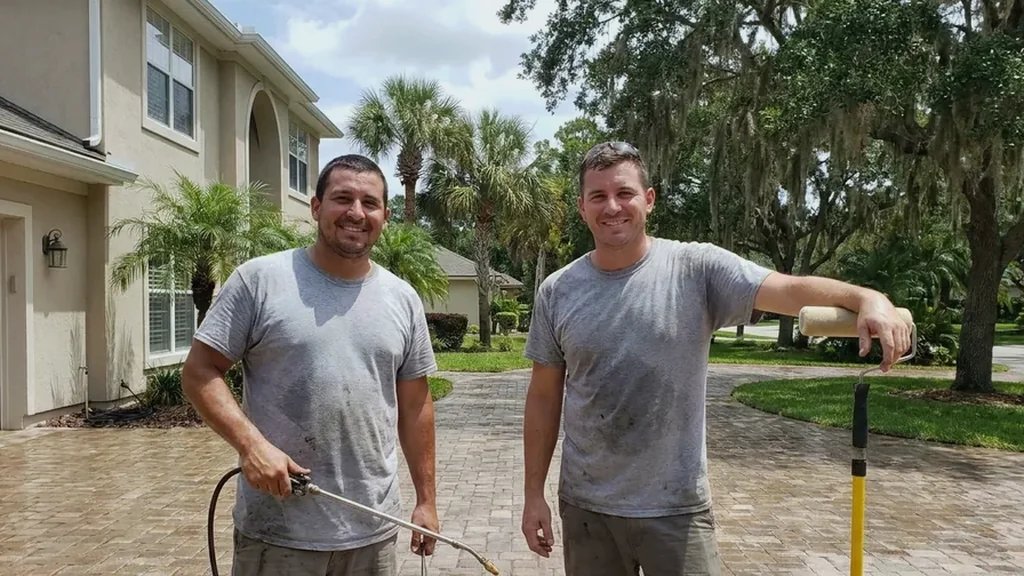
How does a paver sealing job work in Cedar Hills?
Look the surface over
The contractor walks your Cedar Hills lot and checks where water leaves the drive and whether a ditch or low corner sends it back. Dips and loose pavers are marked for repair, because sealer would preserve them. The contractor also asks about any past coat. A coat nobody recorded is easy to inherit on a 1960s lot, and the answer decides which sealer can go on. You get a rough plan and a price before the day is set.
Wash off the grime and green
Cleaning comes next and clears the gray film, tire marks and any green growth. Oil and rust spots get treated at this stage. The contractor keeps rinse water off the lawn and flower beds beside your walk. A careful wash lifts dirt without blasting out more joint sand than needed. Pools, grills and planters are moved or covered, so nothing is stained by the cleaner.
Put the sand back
Washing pulls sand from the joints, and the soil here lets whatever remains drain away fast. The contractor fills the joints again and sweeps the surface clean. Full joints keep weeds and ants out, and they hold the pavers snug against one another. If a long stretch of joints sat empty, this step takes longer. The sand color is matched to your pavers where possible, which helps the surface look clean and solid.
Let everything dry
Sealer needs a dry surface, so the job waits after the wash. Jacksonville storms can push a day back, and a shaded patio dries slower than a sunny drive. A contractor who will not seal over a damp surface saves you a cloudy finish. Plan on the schedule moving a day if rain shows up. That wait is the cheapest insurance the job has, since a rushed coat is the usual cause of a white haze.
Spray, back-roll and keep off
The contractor sprays the sealer and then back-rolls it so it reaches into the joints. A second light coat may follow, depending on the product. Walking on it is fine within hours. Keep cars off for about a day, and hold off on the sprinklers until the contractor says the coat has set. Wet look shows wear in the drive lanes sooner than matte, so the choice you made at the start matters now.
Complete paver services in Cedar Hills
A Cedar Hills sealing job runs in four stages. The contractor washes the surface, puts fresh sand in the joints, lets everything dry and then seals. Dry time is the stage people forget, and it sets the schedule for the whole job. Ask how long your lot may need when you call (904) 479-0914.
Driveways, front walks and back patios wear in different ways. A drive takes tires and all-day sun, a walk takes feet and fallen leaves, and a shaded patio stays damp. A pool deck adds splash, sunscreen and furniture scuffs. Tell the contractor which surfaces you want done when you get a free estimate.
Sealer comes down to two choices. The first is the base, and since water-based sealer cannot go over solvent-based, any old coat decides your options. The second is the look, where matte stays natural and a wet look shows scuffs sooner. Call (904) 479-0914 to talk through both.
Jacksonville's rain is heaviest from May to September, in short, hard storms. One First Coast company calls fall a preferred season because the air is drier. Once sealed, a driveway usually takes foot traffic within a few hours and cars after about a day. For a date that suits your week, get a free estimate.
Questions to ask before you hire
- Which finish will you use on my pavers: matte, natural or wet look?
- What keeps the cleaner and sealer off my grass and flower beds?
- Will the sealed surface be slippery by the pool or on the front steps?
- How long do the pavers need to dry before the sealer goes on?
- How soon will my pavers need sealing again?
- Will you refill the joint sand that washes out during cleaning?
- How do you measure my pavers so the final price matches the quote?
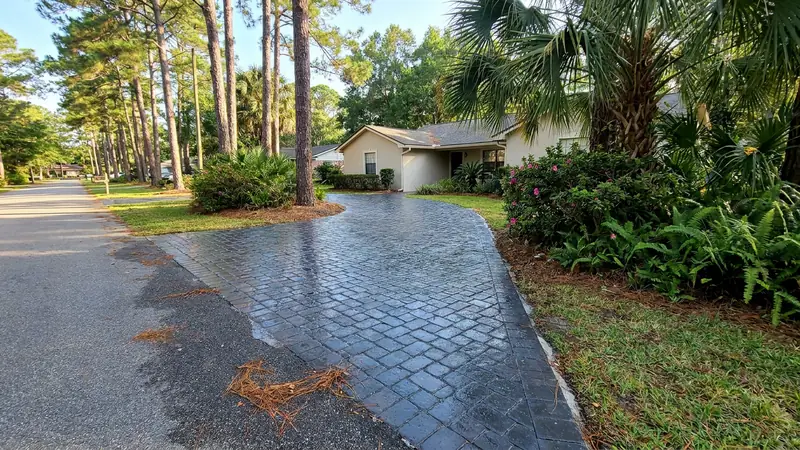
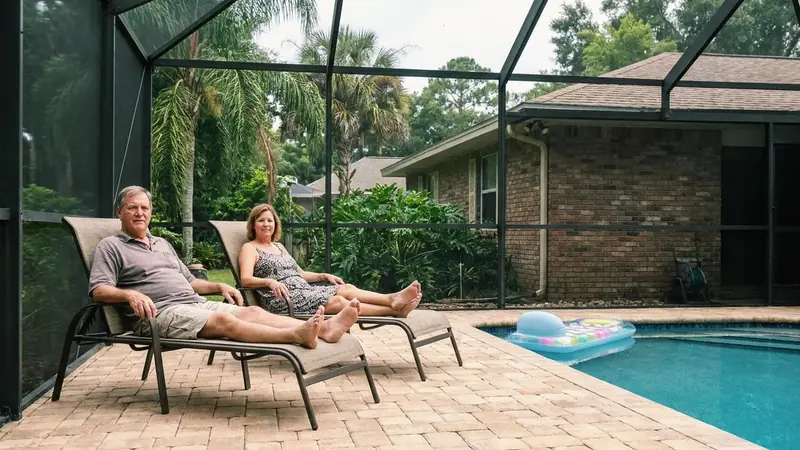
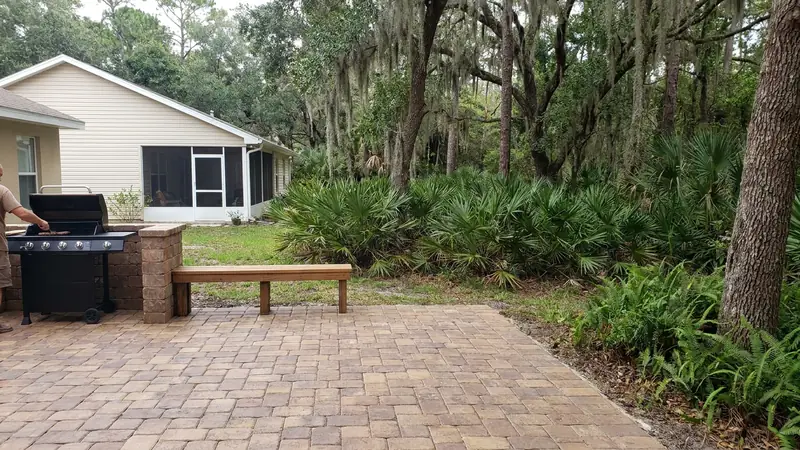
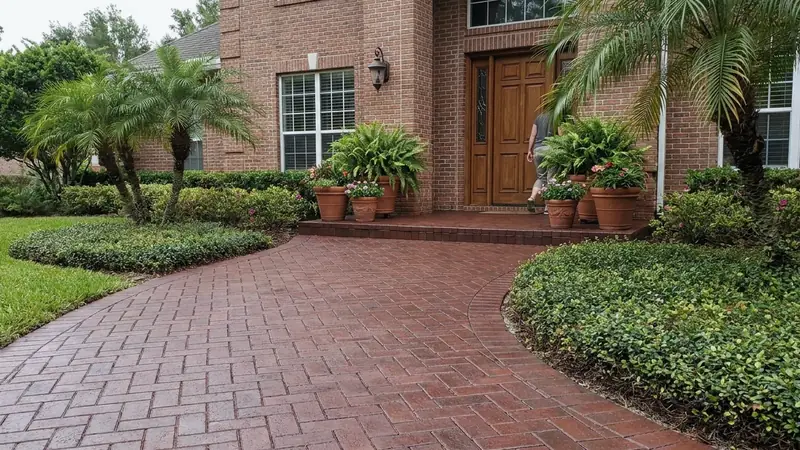
What do sealed pavers look like around Cedar Hills?
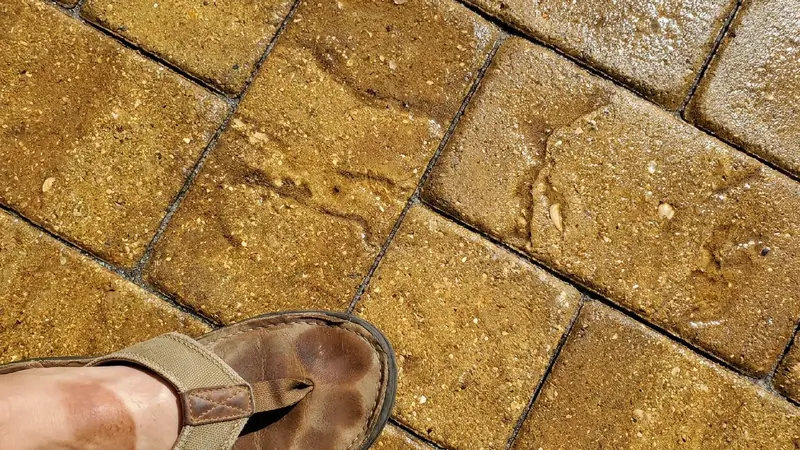
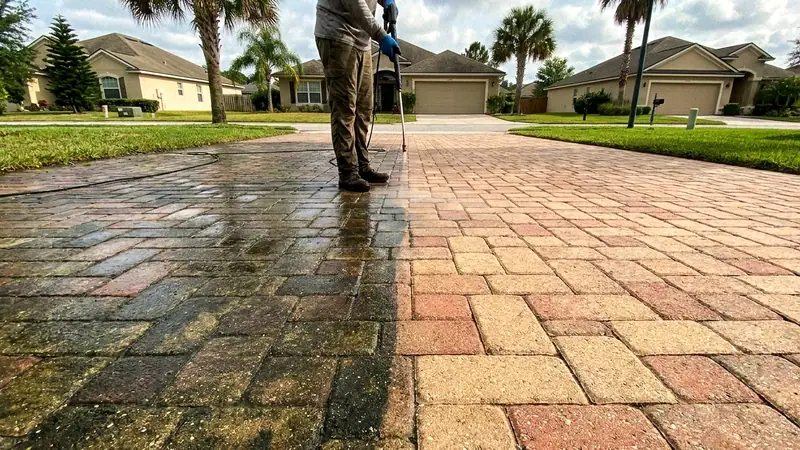
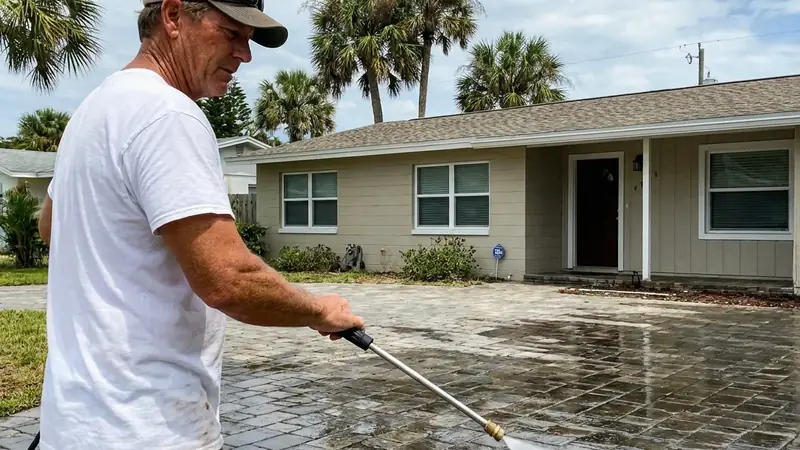
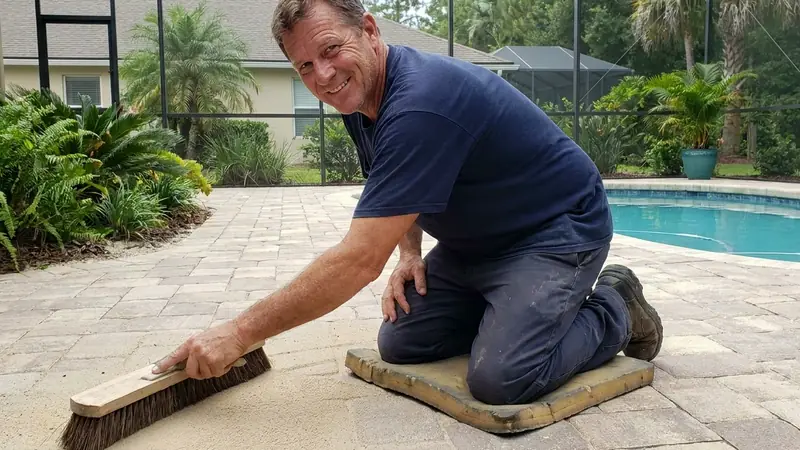
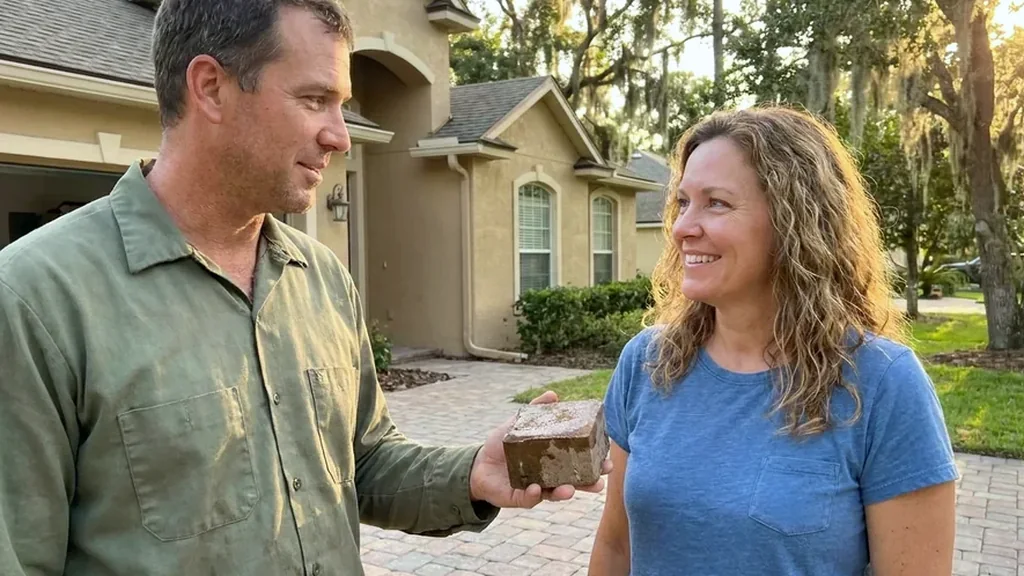
Why local matters in Cedar Hills
A contractor who works the Westside knows that water in Cedar Hills often comes from ditches and drains, not only from the sky. The 2017 storm-drain story on one street shows how a single blocked ditch can send water across several lots. That changes how a driveway edge gets checked before sealing. A contractor who already works the Westside is a call away at (904) 479-0914.
Local knowledge also helps with timing. The wet season runs May to September, and a sealing day has to fit around the afternoon storms. A contractor used to the area builds that into the schedule, and fall is when many companies prefer to work. To see how that would work for your week, get a free estimate.
Then there is the mix of ages on one street. Cedar Hills has 1950s ranches next to rebuilt riverfront homes, and each has its own pavers and its own history of sealer. A local contractor reads that quickly and chooses the cleaner and the sealer to suit. Describe your house when you get a free estimate, with no obligation to hire anyone.
Does it help to hire someone who knows the older Cedar Hills streets?
Yes, because the neighborhood grew in stages and the streets show it. In 1955 Cedar Hills gained one of Jacksonville's first large-scale shopping districts outside Downtown, and the Cedar Hills Shopping Center still stands at 282,000 square feet. More than 3,000 brick and concrete block ranch homes surround it at full build-out. If your home is one of them, get a free estimate.
Out toward the water, Jammes Road carried some of the first ranch homes in 1959, and the Cedar River forms the edge of the neighboring Lake Shore area. Near these Cedar Hills landmarks, a driveway may be as old as the house or newer than the roof. One longtime resident told News4JAX she had lived on her street more than 40 years. Give your street name at (904) 479-0914 and the contractor can picture the lot.
Frequently Asked Questions
Is sealing pavers a good idea in Cedar Hills?
Yes, for most driveways and patios. Sealer holds the joint sand in place, slows sun fade and keeps oil and dirt from soaking in. Cedar Hills sees fast-draining sandy ground and hard summer storms, so holding the joint sand is a real benefit here.
How long will a paver sealer coat last in Cedar Hills?
A coat typically holds up two to five years in Northeast Florida, per one Jacksonville company. Full-sun drives run about 18 to 24 months between coats, and shaded walks about 24 to 36, says one paver company. If water no longer beads on your surface, the coat is spent.
How much does it cost to have pavers cleaned and sealed in Cedar Hills?
Published rates across Northeast Florida land between $1.75 and $3.25 per square foot for a clean, sand and seal. Old sealer to strip and joints that need a lot of sand push a job higher. Get the square footage in writing, then line the bids up side by side.
Why is paver sealing so expensive?
Labor for prep outweighs the price of the sealer itself. Prep runs two to three times as long as the sealing itself, one paver company reports. Every wash, sand refill and wait for dry pavers adds labor hours.
Do new pavers in Cedar Hills need to wait before sealing?
Yes. A Jacksonville company suggests a 30 to 60 day wait after new pavers go in. That gives trapped moisture and white mineral haze time to work out. Sealing too early can lock in a cloudy look.
What does a clean and seal visit cover on a Cedar Hills driveway?
It covers the whole sequence, not only the sealer. The contractor washes the surface, re-sands the joints, waits for a dry surface and then sprays and back-rolls the coat. Repairs to dips and lifted pavers are done first, and the quote should list them.
Can a sunken spot in my Cedar Hills driveway be fixed before sealing?
Yes, and it should be. Sealing over a dip only preserves it. The contractor resets the sunken or lifted pavers first, then cleans, re-sands and seals the whole surface.
How soon can I drive on sealed pavers?
Walking on it is fine within hours. Park elsewhere for roughly a day, longer if the weather is damp. Your contractor names the exact wait for the product on your drive.
Does my Cedar Hills HOA get a say in the sealer finish?
Only if you have one. Of the Cedar Hills Estates listings checked, 21 state there is no HOA. If you do have one, Florida law limits its review to what its declaration or published guidelines state, so read your papers before you choose a finish.
Is it better to spray or roll paver sealer in Cedar Hills?
Both, in that order. Professionals typically spray the sealer and then back-roll it for even coverage and to work it into the joints. Ask the contractor to describe the method and the product so you can note it for the next coat.
Do sealed pavers stay slippery by a Cedar Hills pool?
They can, depending on the finish. A glossy wet look can feel slick when wet, while matte keeps more grip. Tell the contractor the deck is by a pool, and ask which finish suits it before you choose.
Ready for a Free Estimate in Cedar Hills?
Call (904) 479-0914 and tell us about your pavers.
Free, no obligation